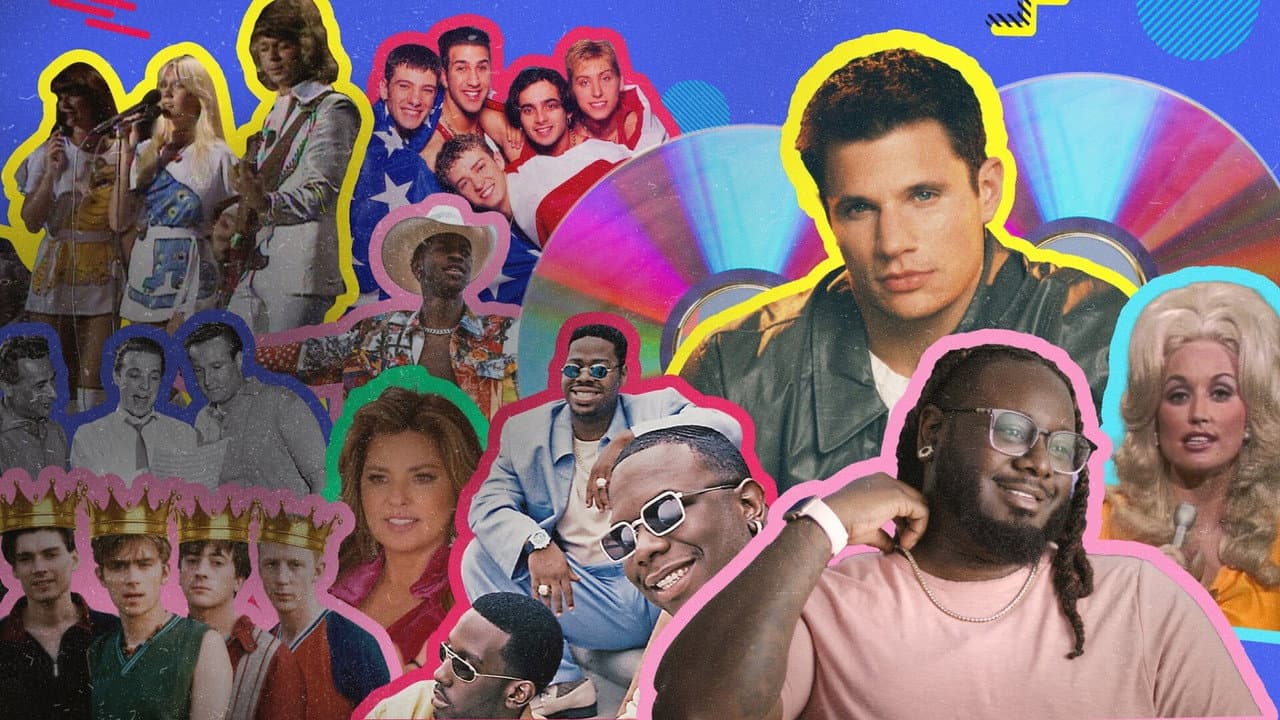
This Is Pop
Documentary
20218 EpisodesTV-MA★ 6.0
Unknown histories take center stage as the hitmakers themselves - from ABBA to T-Pain - explore dimensions of pop music you never knew existed.

Documentary
Unknown histories take center stage as the hitmakers themselves - from ABBA to T-Pain - explore dimensions of pop music you never knew existed.
Love it or hate it, Auto-Tune has changed pop music. From Cher's "Believe" to Kanye West's "Love Lockdown," the sound has penetrated the globe and revolutionized music since its invention in 1997. Some say the pitch-correction technology has ruined music, while others have found fame by using the tool creatively. Tracing Auto-Tune's roots to predecessors like the synthesizer, the good, the bad, and the ugly of this game-changing technology is revealed, grounded in a personal account of Auto-Tune's most famous user, T-Pain.
Britpop. The word can elicit an eye roll, an itch to get on the dance floor, or a sudden urge to cry and sing "Wonderwall." In the early ‘90s, when America was hooked on grunge, The Brits retaliated with a return to catchy, witty, and downright fun pop, speaking to their own stories and cultural roots. This musical zeitgeist known as "Britpop" went far behind the headlines of "Oasis vs. Blur" – bands like Elastica, Echobelly, Pulp, Lush, and Suede became international exports with a unique sound.
Since 1974, when a little-known group named ABBA won Eurovision's song contest with their track "Waterloo," Sweden has been a global force in exporting pop music. Cassette players and bedroom walls have been filled with the likes of Roxette, Ace of Base, and Robyn, and ‘90s playlists featuring Britney Spears, Backstreet Boys, and *NSYNC would be obsolete without the work of Swedes Denniz Pop and Max Martin.
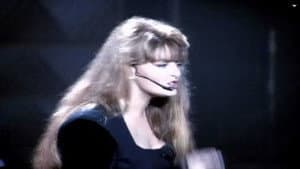
Before Backstreet Boys, *NSYNC, and 98 Degrees, there was a "boy band" from Philadelphia called Boyz II Men that ruled the charts. With their incredible vocal harmonies and preppy-cool style, Boyz II Men became the "soundtrack to our lives" with hits like "End of The Road", "I'll Make Love To You", "Motown Philly," and "One Sweet Day" – heard at weddings, proms, karaoke bars, and funerals alike. Going back to the band's humble beginnings in Philadelphia, this episode pays homage to the influential R&B group who set the template for ‘90s boy bands.
It's a tale as old as time – a country song goes "pop" and country music fans protest. From Dolly Parton to Shania Twain to Lil Nas X, the scrutiny around what makes a song "country" has been a raging debate that shows no signs of slowing down.
New York City's Brill Building and pop music go together like bread and butter, or in this case, like King n' Goffin, Leiber n' Stoller, or Barry n' Kim. In the 1950s and 60s, songwriters, record producers, and wannabe pop stars flocked to 1619 Broadway in New York with dreams of churning out the next big hit. Full of small rooms with upright pianos, The Brill Building was labelled a "song-factory", but its true spirit grew out of a community that collaborated and challenged each other to achieve greatness.
For decades, musicians have been using music as their weapon of choice against social injustice, discrimination and marginalization. From Woody Guthrie's "This Land is Your Land" to Kendrick Lamar's "Alright," a song is one of the most powerful ways to transmit a message to a large audience.
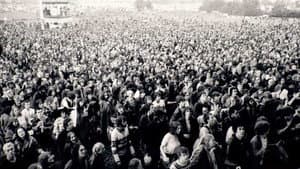
There is no rite of passage quite like the music festival. Millions of people attend them each year and now more than ever they infiltrate our culture from “festival wear” clothing lines to playlists. Taking a journey from ‘60s counterculture to modern-day "selfie" culture, the evolution of the music festival is explored to examine deeper ideas about the importance of collective experiences, and they act as a cultural mirror that reflect interests and ideals.
Cast: John Lennon, Paul McCartney, Ringo Starr, George Harrison, David Bowie, Brian Littrell, T-Pain, Harold Andy Hildebrand, Suzanne Ciani, Cher, JAŸ-Z, Jimmy Kimmel, David Letterman, Jennifer Lopez, Joe Biden, Neil deGrasse Tyson, Usher, Ye, Wendy Williams, DJ Kool Herc, Whitney Houston, Alex James, Dave Rowntree, Miki Berenyi, Damon Albarn, Liam Gallagher, Noel Gallagher, Ludwig Göransson, Benny Andersson, Ulf Ekberg
Genres: Documentary
Maturity rating: TV-MA
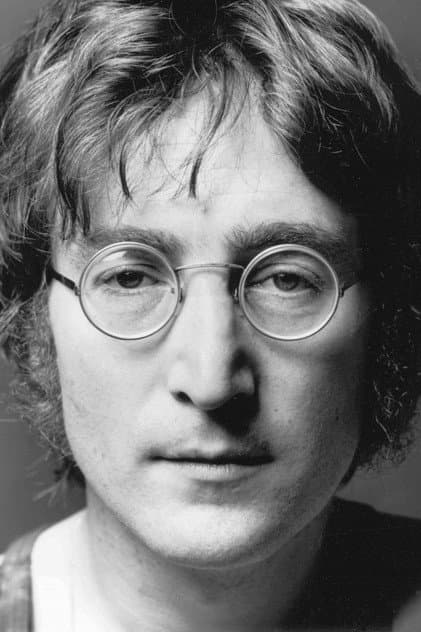
John Lennon
Self (archive footage)
Paul McCartney
Self (archive footage)
Ringo Starr
Self (archive footage)
George Harrison
Self (archive footage)
David Bowie
Self (archive footage)
Brian Littrell
Self
T-Pain
Self
Harold Andy Hildebrand
Self
Suzanne Ciani
Self
Cher
Self (archive footage)
JAŸ-Z
Self (archive footage)
Jimmy Kimmel
Self (archive footage)
David Letterman
Self (archive footage)
Jennifer Lopez
Self (archive footage)
Joe Biden
Self (archive footage)
Neil deGrasse Tyson
Self (archive footage)
Usher
Self (archive footage)
Ye
Self (archive footage)
Wendy Williams
Self (archive footage)
DJ Kool Herc
Self (archive footage)
Whitney Houston
Self (archive footage)
Alex James
Self
Dave Rowntree
Self
Miki Berenyi
Self
Damon Albarn
Self (archive footage)
Liam Gallagher
Self (archive footage)
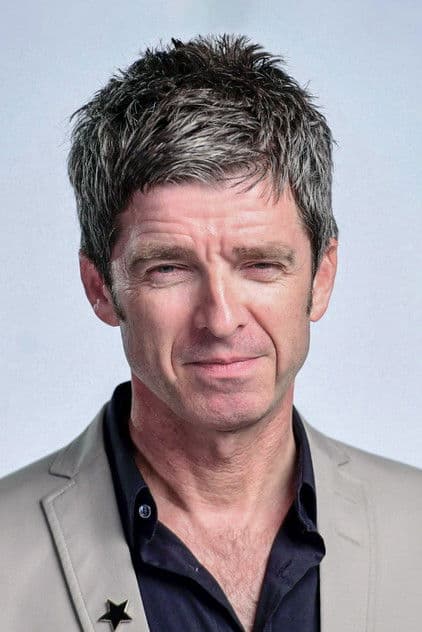
Noel Gallagher
Self (archive footage)
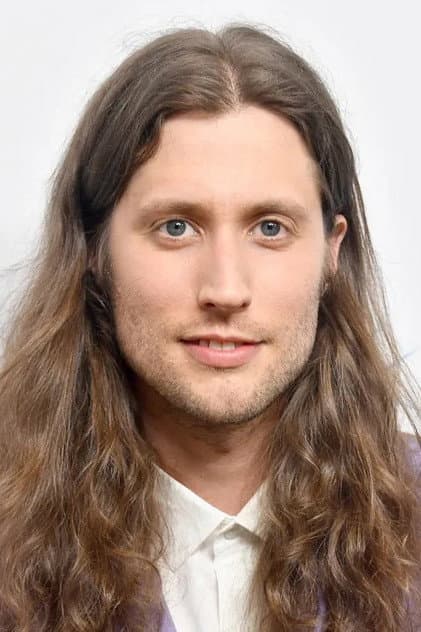
Ludwig Göransson
Self
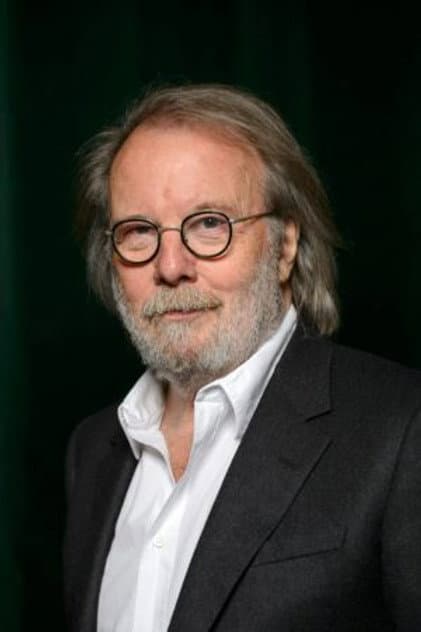
Benny Andersson
Self
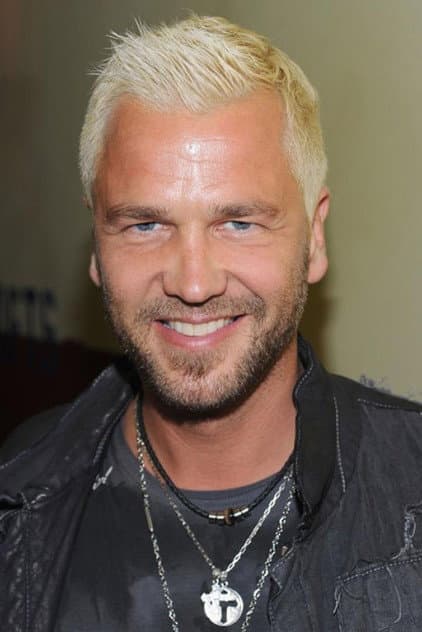
Ulf Ekberg
Self
 8 Episodes
In a tumultuous era, 1971 was a year of musical innovation and rebirth fueled by the political and cultural upheaval of the time. Stars reached new heights, fresh talent exploded onto the scene, and boundaries expanded like never before.
 3 Episodes
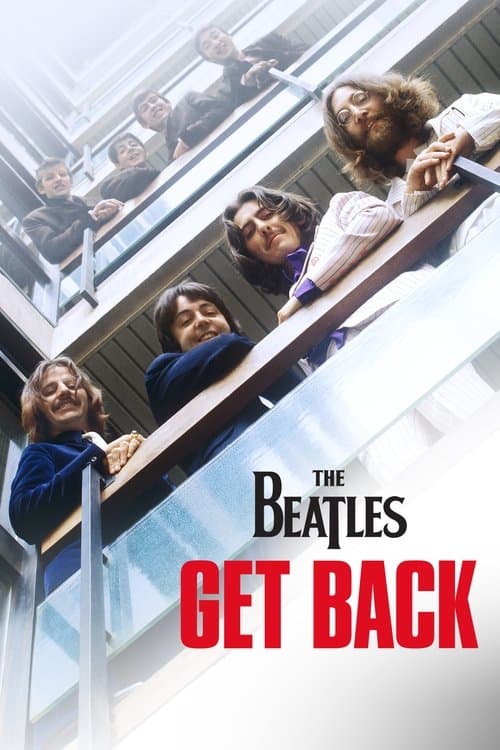
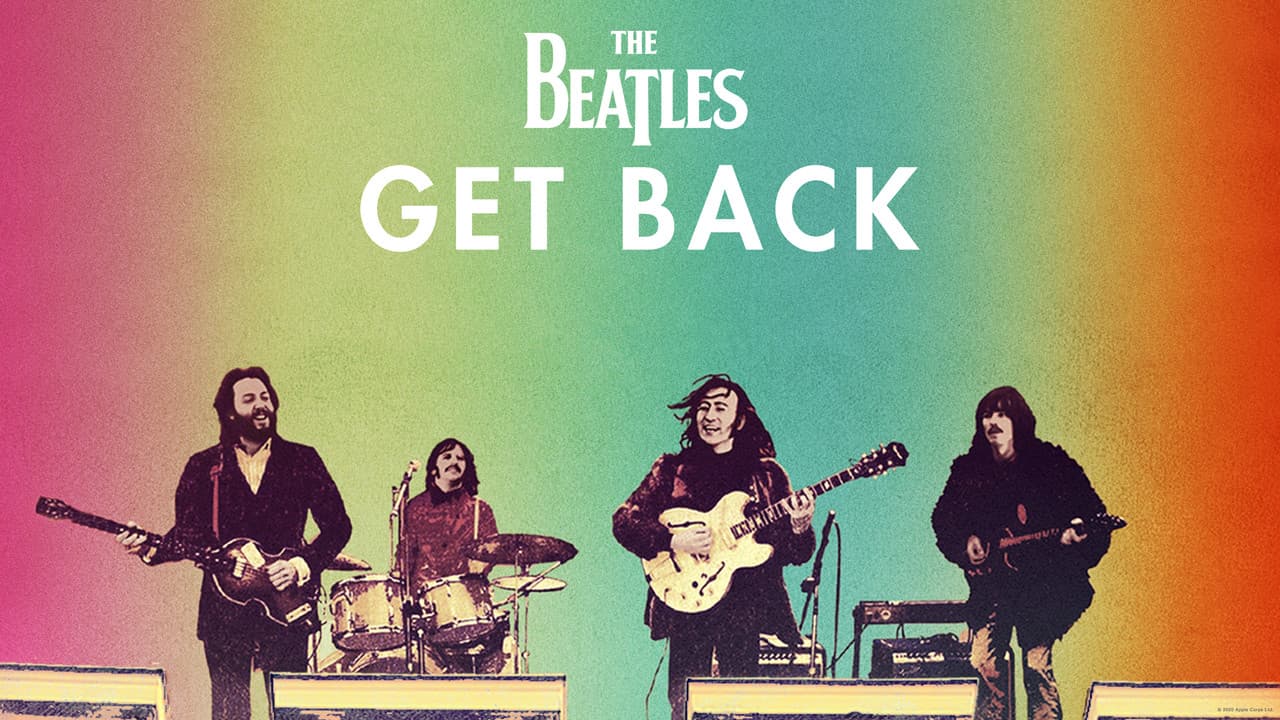
The three-part documentary series, compiled from over 60 hours of unseen footage, captures the warmth, camaraderie, and creative genius that defined the legacy of music's most iconic foursome. The series also includes – for the first time in its entirety – The Beatles' final performance at London's Savile Row.
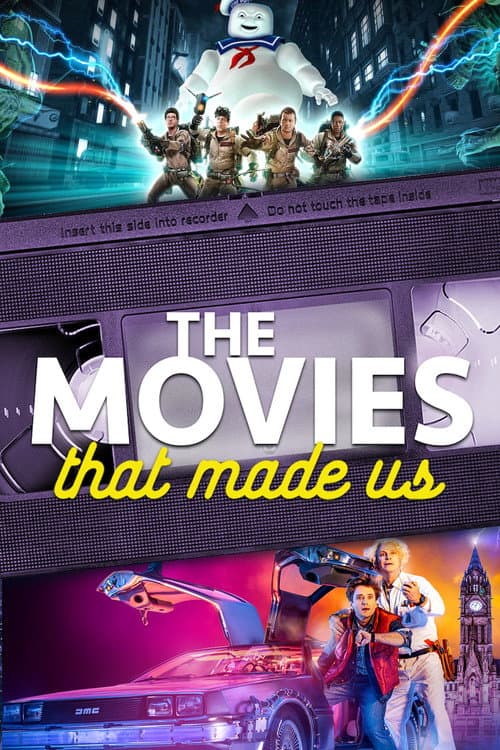
 14 Episodes
These blockbusters brought us together and gave us the time of our lives. Meet the actors, directors and industry insiders who made them happen.
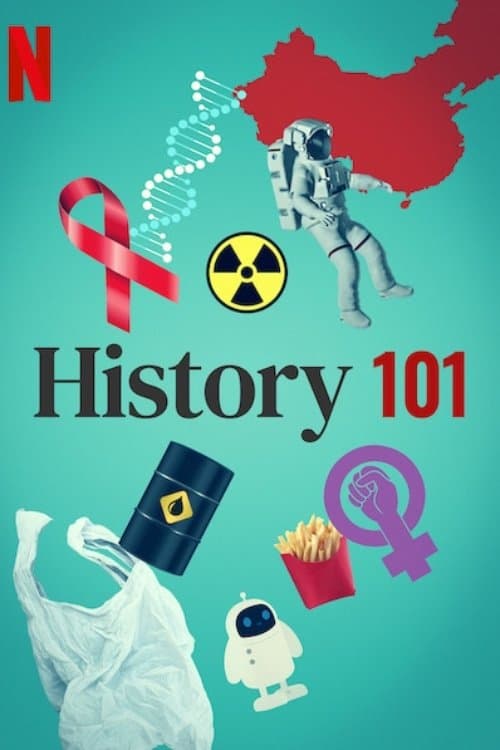
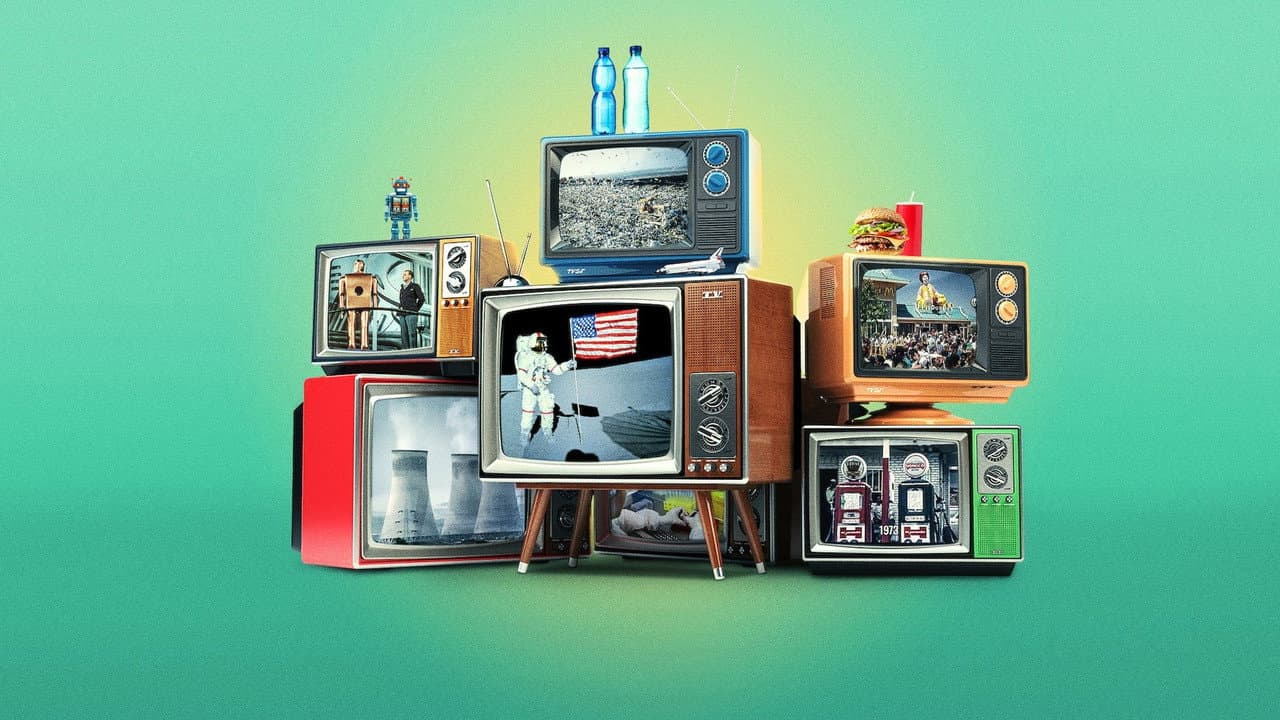

Infographics and archival footage deliver bite-size history lessons on scientific breakthroughs, social movements and world-changing discoveries.
 2 Episodes
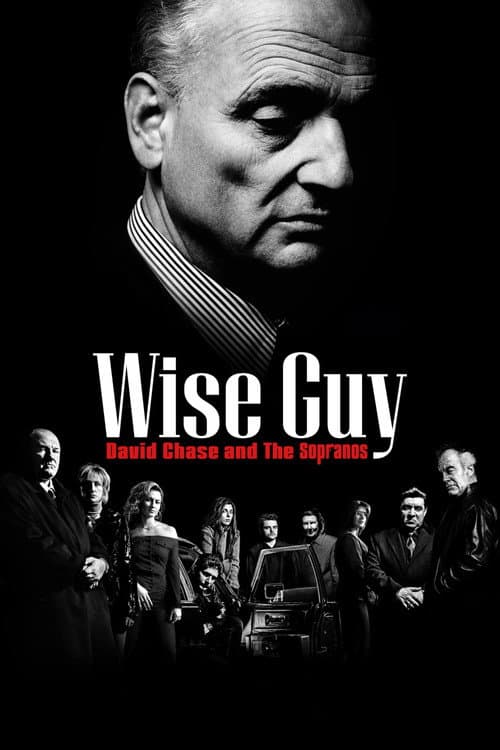
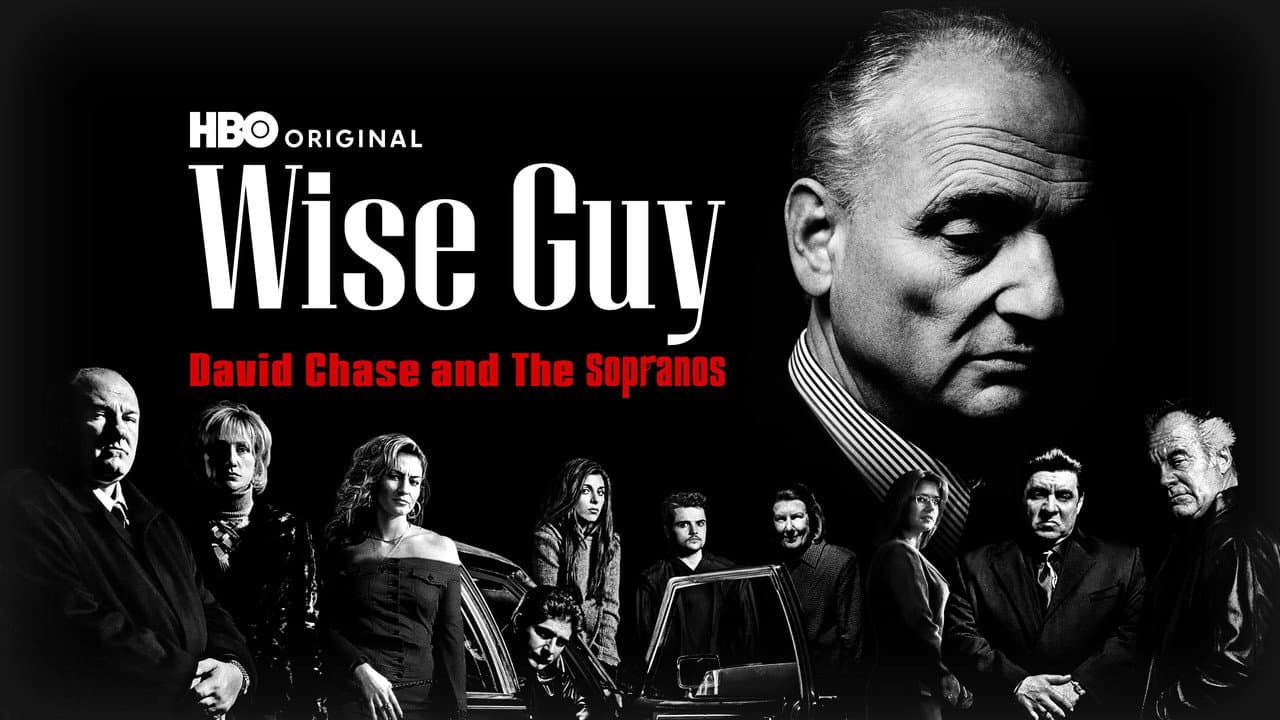
A portrait of celebrated filmmaker David Chase: his life, his career and his groundbreaking work on the HBO original series The Sopranos.
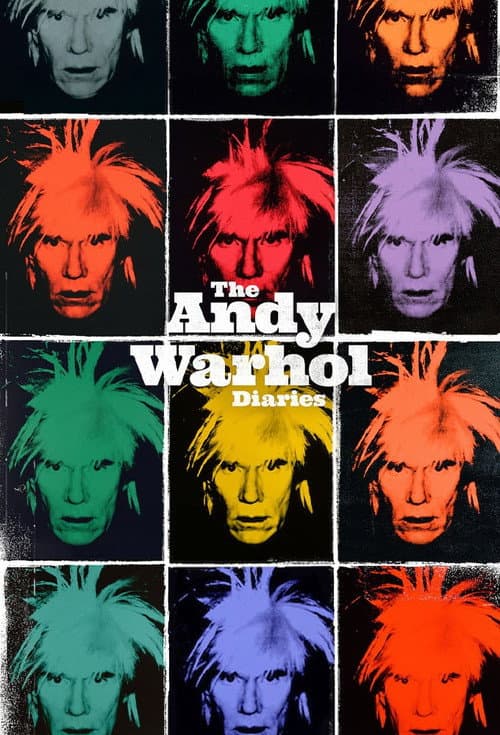
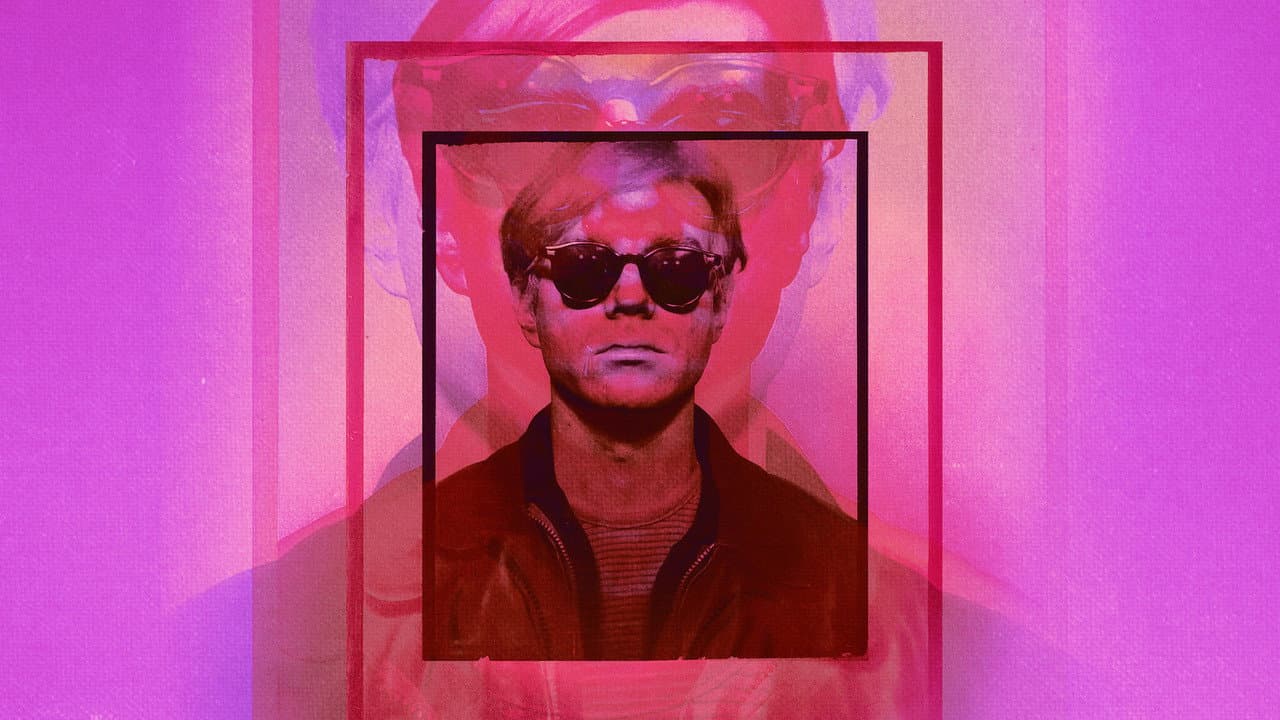

After he's shot in 1968, Andy Warhol begins documenting his life and feelings. Those diaries, and this series, reveal the secrets behind his persona.