DocumentaryWar & Politics
19909 EpisodesTV-14★ 8.0
A documentary on the American Civil War narrated by Ken Burns, covering the secession of the Confederacy to the assassination of Abraham Lincoln.


DocumentaryWar & Politics
A documentary on the American Civil War narrated by Ken Burns, covering the secession of the Confederacy to the assassination of Abraham Lincoln.

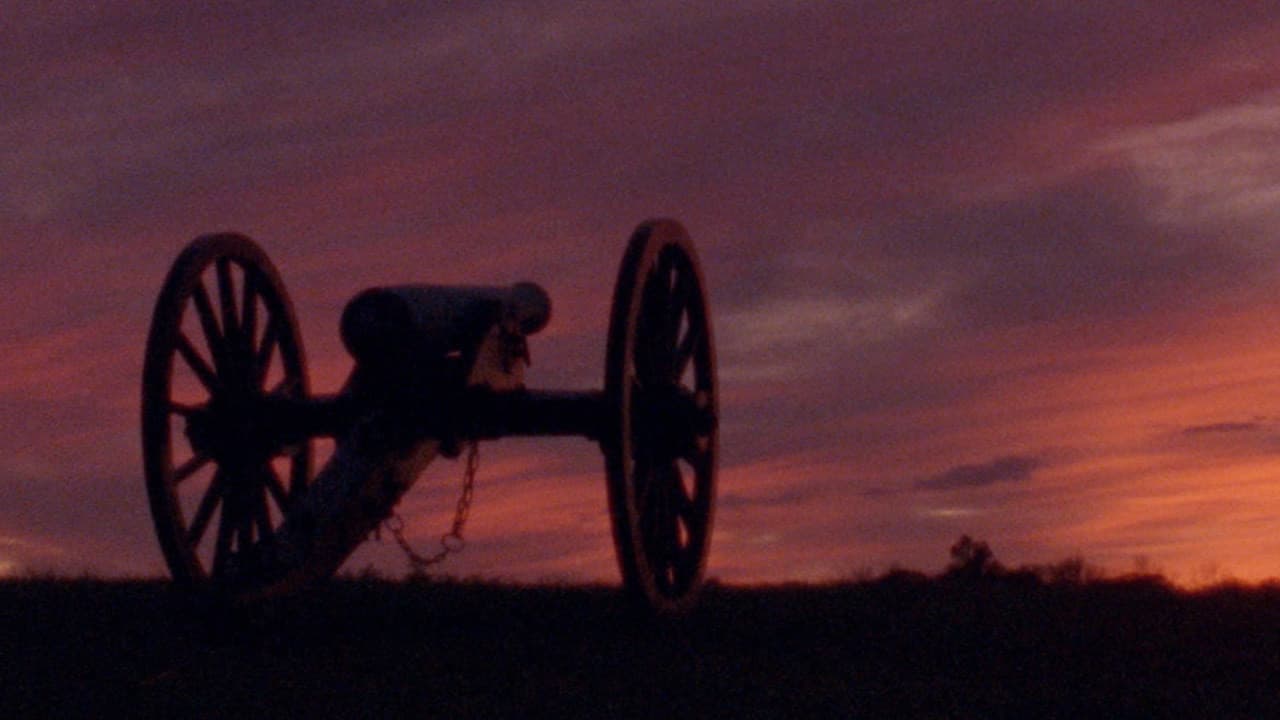
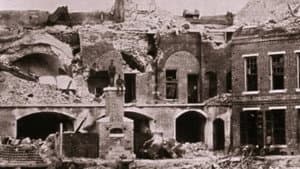
Beginning with a searing indictment of slavery, this first episode dramatically evokes the causes of the war, from the Cotton Kingdom of the South to the northern abolitionists who opposed it. Here are the burning questions of Union and States' rights, John Brown at Harper's Ferry, the election of Abraham Lincoln in 1860, the firing on Fort Sumter and the jubilant rush to arms on both sides. Along the way the series' major figures are introduced: Abraham Lincoln, Frederick Douglass, Robert E. Lee, Ulysses S. Grant and a host of lesser-known but equally vivid characters. The episode comes to a climax with the disastrous Union defeat at Manassas, Virginia, where both sides now learn it is to be a very long war.
1862 saw the birth of modern warfare and the transformation of Lincoln's war to preserve the Union into a war to emancipate the slaves. Episode Two begins with the political infighting that threatened to swamp Lincoln's administration and then follows Union General George McClellan's ill-fated campaign on the Virginia Peninsula, where his huge army meets a smaller but infinitely more resourceful Confederate force. During this episode we witness the battle of ironclad ships, partake of camp life, and watch slavery begin to crumble. We meet Ulysses S. Grant, whose exploits come to a bloody climax at the Battle of Shiloh in Tennessee. The episode ends with rumors of Europe's readiness to recognize the Confederacy.
This episode charts the dramatic events that led to Lincoln's decision to set the slaves free. Convinced by July 1862 that emancipation was now morally and militarily crucial to the future of the Union, Lincoln must wait for a victory to issue his proclamation. But as the year wears on there are no Union victories to be had, thanks to the brilliance of Stonewall Jackson and Robert E. Lee. The episode comes to a climax in September 1862 with Lee's invasion of Maryland. On the banks of Antietam Creek, the bloodiest day of the war takes place, followed shortly by the brightest: the emancipation of the slaves.
The nightmarish Union disaster at Fredericksburg comes to two climaxes that spring: at Chancellorsville in May, where Lee wins his most brilliant victory but loses Stonewall Jackson; and at Vicksburg, where Grant's attempts to take the city by siege are stopped. During the episode we learn of fierce Northern opposition to Lincoln's Emancipation Proclamation, the miseries of regimental life and the increasing desperation of the Confederate homefront. As the episode ends, Lee decides to invade the North again to draw Grant's forces away from Vicksburg.
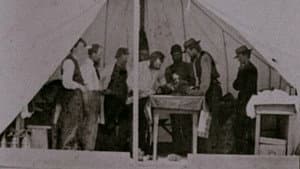
This episode opens with a dramatic account of the turning point of war: the Battle of Gettysburg, the greatest ever fought in the Western Hemisphere. For three days 150,000 men will fight to the death in the Pennsylvania countryside, culminating in Pickett's legendary charge. This extended episode then goes on to chronicle the fall of Vicksburg, the New York draft riots, the first use of black troops, and the western battles at Chickamauga, Georgia and Chattanooga, Tennessee. The episode closes with the dedication of a new Union cemetery at Gettysburg in November, where Abraham Lincoln struggles to put into words what is happening to his people.
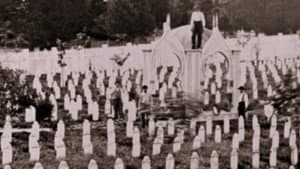
Episode six begins with a biographical comparison of Ulysses S. Grant and Robert E. Lee and then chronicles the extraordinary series of battles that pitted the two generals against each other from the wilderness to Petersburg in Virginia. In 30 days, the two armies lose more men than both sides have lost in three years of war. With Grant and Lee finally deadlocked at Petersburg, we visit the ghastly hospitals north and south and follow General Sherman's Atlanta campaign through the mountains of north Georgia. As the horrendous casualty lists increase, Lincoln's chances for re-election begin to dim, and with them the possibility of Union victory.
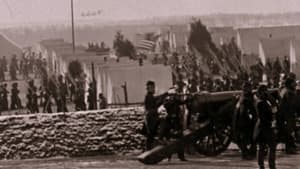
The episode begins with the presidential election of 1864 that sets Abraham Lincoln against his old commanding general, George McClellan. The stakes are nothing less than the survival of the Union itself: with Grant and Sherman stalled at Petersburg and Atlanta, opinion in the North has turned strongly against the war. But 11th-hour victories at Mobile Bay, Atlanta, and the Shenandoah Valley tilt the election to Lincoln and the Confederacy's last hope for independence dies. In an ironic twist, poignantly typical of the Civil War, Lee's Arlington mansion is turned into a Union military hospital and the estate becomes Arlington National Cemetery, the Union's most hallowed ground.
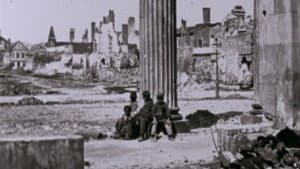
The episode begins with William Tecumseh Sherman's brilliant march to the sea, which brings the war to the heart of Georgia and the Carolinas and spells the end of the Confederacy. In March, following Lincoln's second inauguration, first Petersburg and then Richmond finally fall to Grant's army. Lee's tattered Army of Northern Virginia flees westward towards a tiny crossroads town called Appomattox Court House. There the dramatic and deeply moving surrender of Lee to Grant takes place. The episode ends in Washington where John Wilkes Booth begins to dream of vengeance for the South.
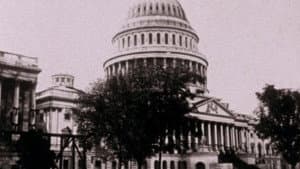
This extraordinary final episode of The Civil War begins in the bittersweet aftermath of Lee's surrender and then goes on to narrate the horrendous events of five days later when, on April 14, Lincoln is assassinated. After chronicling Lincoln's poignant funeral, the series recounts the final days of the war, the capture of John Wilkes Booth and the fates of the Civil War's major protagonists. The episode then considers the consequences and meaning of a war that transformed the country from a collection of states to the nation we are today.
Cast: David McCullough, Sam Waterston, Julie Harris, Jason Robards, Morgan Freeman, Paul Roebling, Garrison Keillor, George Black, Arthur Miller, Christopher Murney, Charles McDowell, Horton Foote, George Plimpton, Philip Bosco, Terry Courier, Jody Powell, Studs Terkel, Hoyt Axton, John Hartford, Colleen Dewhurst, Shelby Foote, Ronnie Gilbert, Jeremy Irons, Gene Jones, Derek Jacobi, Kurt Vonnegut, Laurence Fishburne, Pamela Reed, M. Emmet Walsh, Barbara Fields
Genres: Documentary, War & Politics
Maturity rating: TV-14
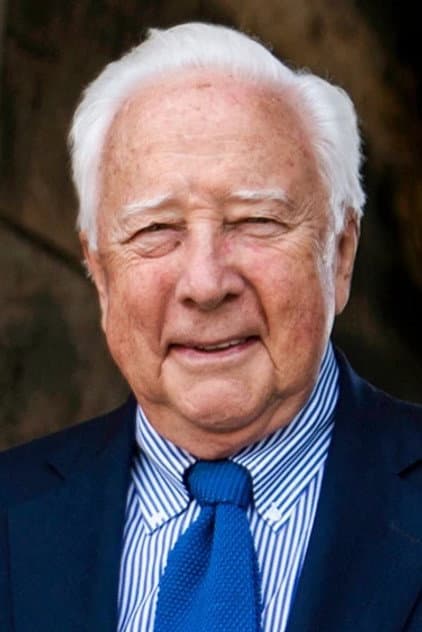
David McCullough
Narrator (voice)

Sam Waterston
Abraham Lincoln (voice)

Julie Harris
Mary Chestnut (voice)
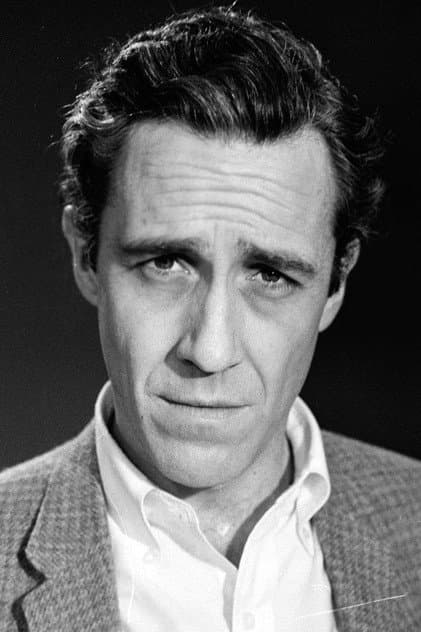
Jason Robards
Ulysses S. Grant (voice)
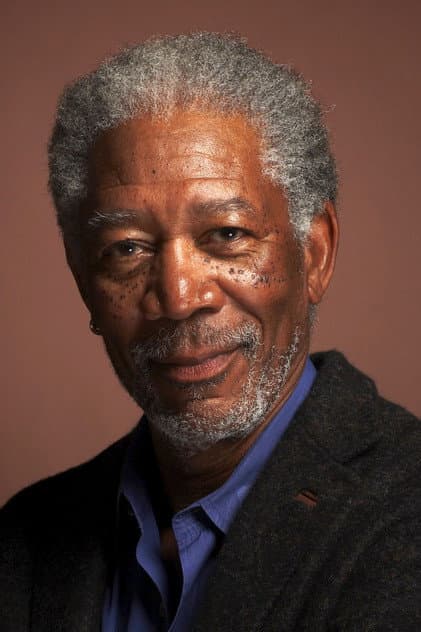
Morgan Freeman
Frederick Douglass / John Boston (voice)
Paul Roebling
Joshua Chamberlain (voice)

Garrison Keillor
Walt Whitman (voice)
George Black
Robert E. Lee (voice)
Arthur Miller
William Tecumseh Sherman (voice)

Christopher Murney
Elisha Hunt Rhodes (voice)
Charles McDowell
Samuel R. Watkins (voice)
Horton Foote
Jefferson Davis (voice)

George Plimpton
George Templeton Strong (voice)

Philip Bosco
Horace Greeley (voice)
Terry Courier
George B. McClellan (voice)
Jody Powell
Stonewall Jackson / Various (voice)

Studs Terkel
Benjamin Butler / Various
Hoyt Axton
Various (voice)
John Hartford
Various (voice)
Colleen Dewhurst
Various (voice)
Shelby Foote
Various (voice)
Ronnie Gilbert
Various (voice)

Jeremy Irons
Various (voice)

Gene Jones
Various (voice)

Derek Jacobi
William Russell / Various (voice)

Kurt Vonnegut
Various (voice)
Laurence Fishburne
Sgt. Louis Douglas / Samuel Jess / Various (voice)

Pamela Reed
Various (voice)
M. Emmet Walsh
Various (voice)
Barbara Fields
Various (voice)
 6 Episodes
The American Revolution was at once a war for independence, a war of conquest, a civil war, and a world war, fought by neighbors on American farms and between global powers an ocean or more away. It impacted millions from Vermont’s Green Mountains to the swamps of South Carolina, from Indian Country to the Iberian Peninsula. In defeating the British Empire and giving birth to a new nation, the American Revolution turned the world upside-down. Thirteen colonies on the Atlantic Coast united in rebellion, won their independence, and established a republic that still endures. The American Revolution will present the story of the men and women of the Revolutionary generation, their humanity in victory and defeat, and the crisis that they lived through.
 10 Episodes
WWII in HD is a 10-part American documentary television miniseries that originally aired from November 15 to November 19, 2009 on the History Channel. The program focuses on the firsthand experiences of twelve American service members during World War II, including an Army nurse, a member of the Tuskegee Airmen, a second generation Japanese American and prisoner of war, and an Austrian Jewish immigrant. The twelve members recorded their time in both theaters and some had later interviews; found footage from the battlefield was paired with the stories of the twelve service members. The episodes premiered on five consecutive days, with two episodes per day. The series is narrated by Gary Sinise and was produced by Lou Reda Productions in Easton, Pennsylvania, United States.
 7 Episodes
The story of the Second World War through the personal accounts of a handful of men and women from four American towns. The war touched the lives of every family on every street in every town in America and demonstrated that in extraordinary times, there are no ordinary lives.
 7 Episodes
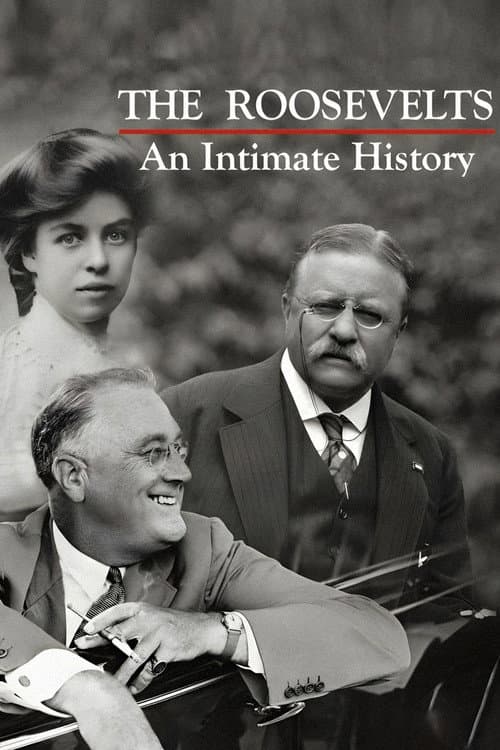
Chronicles the lives of Theodore, Franklin and Eleanor Roosevelt, three members of the most prominent and influential family in American politics. It is the first time in a major documentary television series that their individual stories have been interwoven into a single narrative. This seven-part, fourteen hour film follows the Roosevelts for more than a century, from Theodore’s birth in 1858 to Eleanor’s death in 1962.
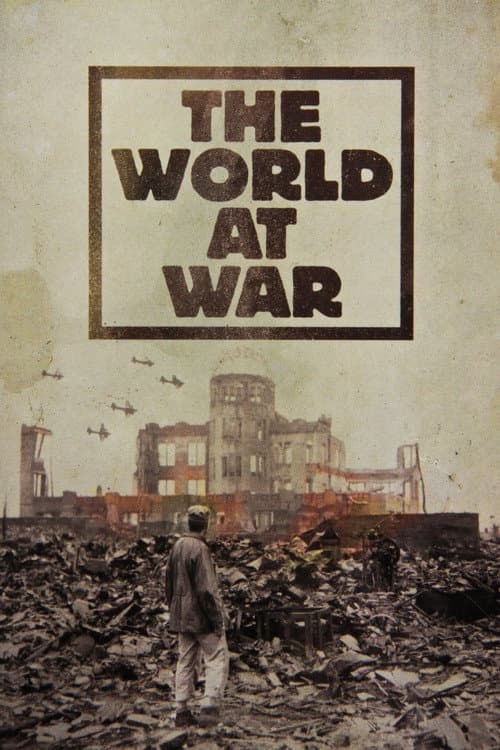
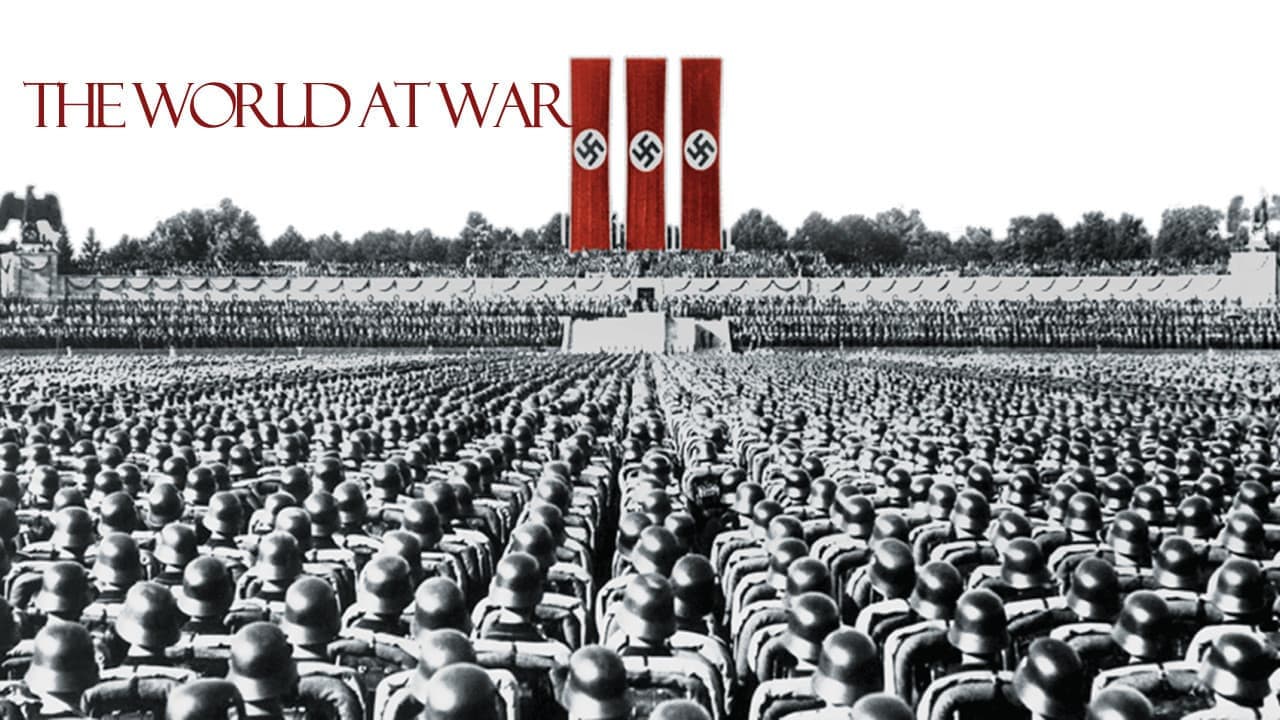 26 Episodes
A documentary series that gives a historical account of the events of World War II, from its roots in the 1920s to the aftermath and the lives it profoundly influenced.
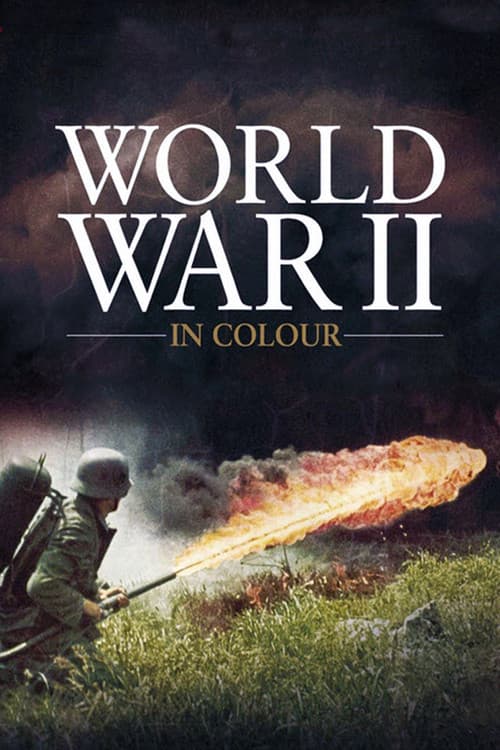
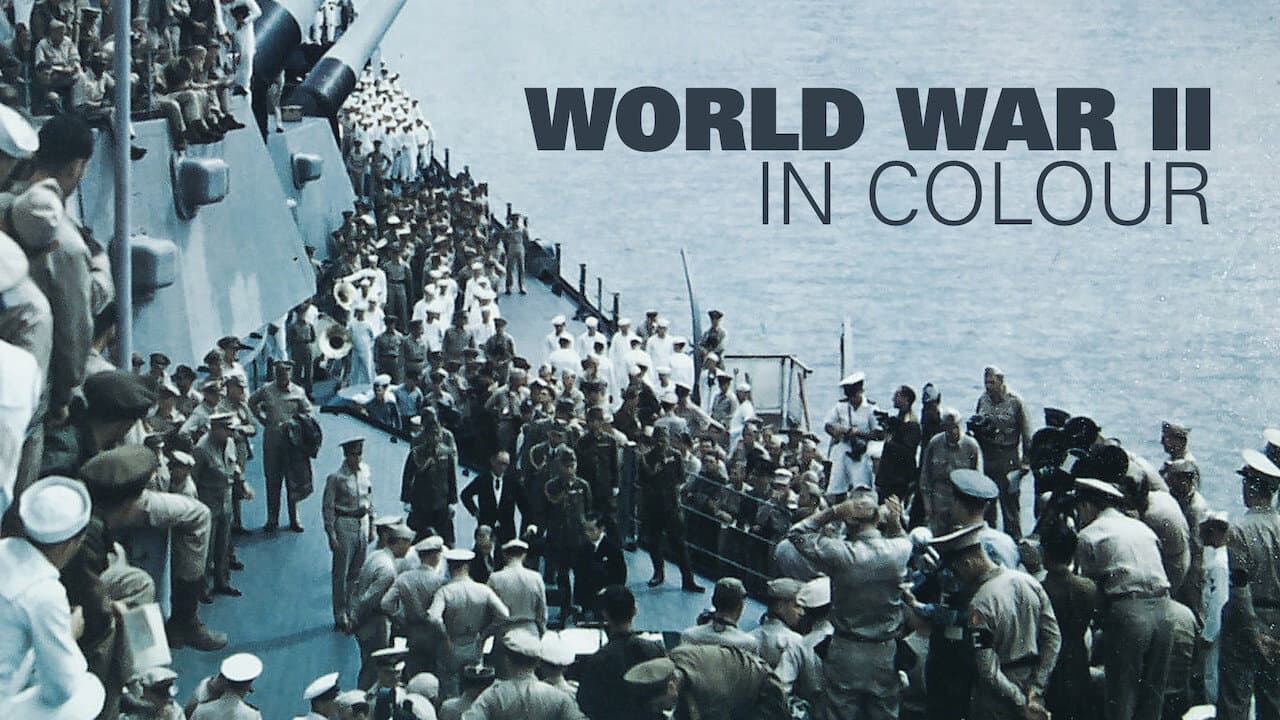 13 Episodes
World War II In Colour is a 13-episode television documentary miniseries recounting the events of World War II narrated by Robert Powell. The show covers the Western Front, Eastern Front, and the Pacific War. It is on syndication in America on the Military Channel. This series is in full color, combining both original and colorized footage.